AMDx

Medicine Seen Through Art: A Collection of Medical Art

Home

Top Writeups

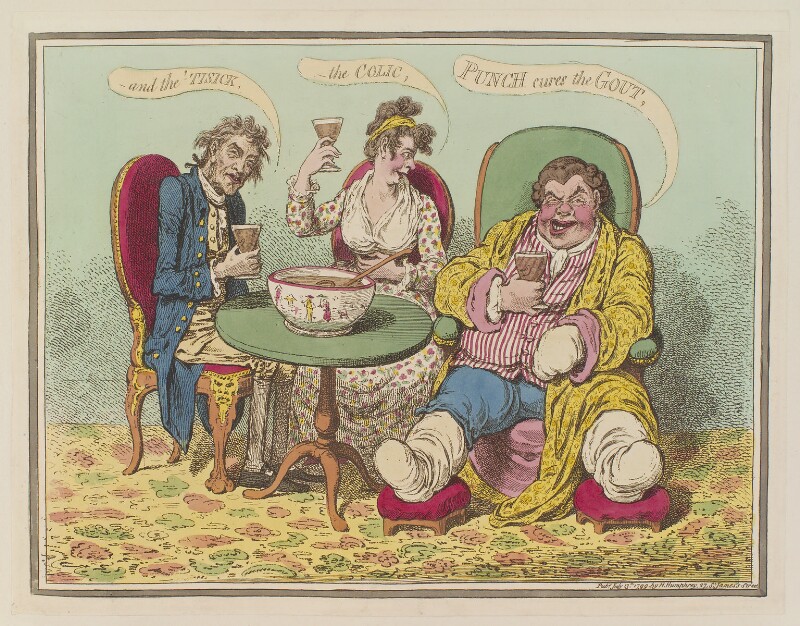
Punch Cures the Gout, the Colic, and the 'Tisick', James Gillray

The print depicts three merrymaking figures crowded around a small table with a bowl of punch, filling their glasses. Speech balloons capture their exchange, starting on the far right: “Punch cures the gout,” says the...

Top Exhibits

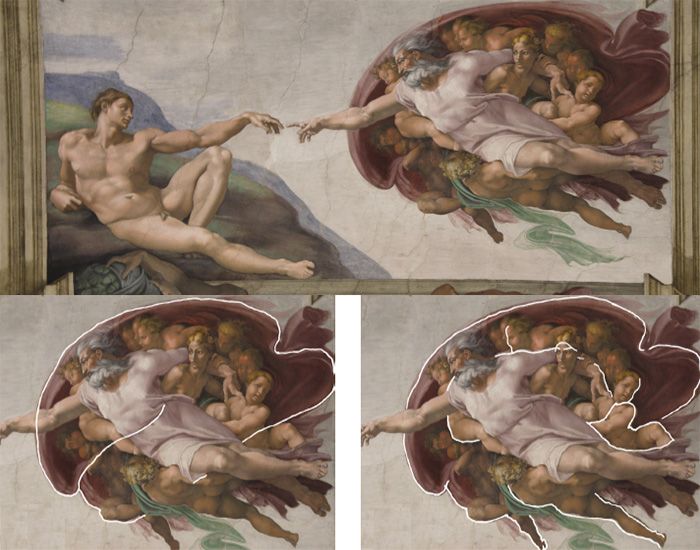
Michelangelo's Sistine Chapel

One thing I have really appreciated working on the ArtMedDx team is learning just how many famous artist's have depicted medical subjects in their artworks, thanks to the efforts of many scholars we continue learning more about how to increase our or observational skills when dissecting works of art. This exhibit has two famous examples of neuroanatomy depicted by Michelangelo.

Punch Cures the Gout, the Colic, and the 'Tisick', James Gillray

Punch Cures the Gout, the Colic, and the 'Tisick', James Gillray


The print depicts three merrymaking figures crowded around a small table with a bowl of punch, filling their glasses. Speech balloons capture their exchange, starting on the far right: “Punch cures the gout,” says the fat gentleman. “The colic,” adds the woman beside him. “And the Tisic,” concludes the man on the left. Each suffers from an illness: the corpulent man’s bandaged limbs point to gout, the woman clutches her stomach, indicating colic, and the emaciated man on the left is hunched

18th CenturyEnglandMusculoskeletal SystemTuberculosisLondon
Old Man with a Child (Rhinophyma)

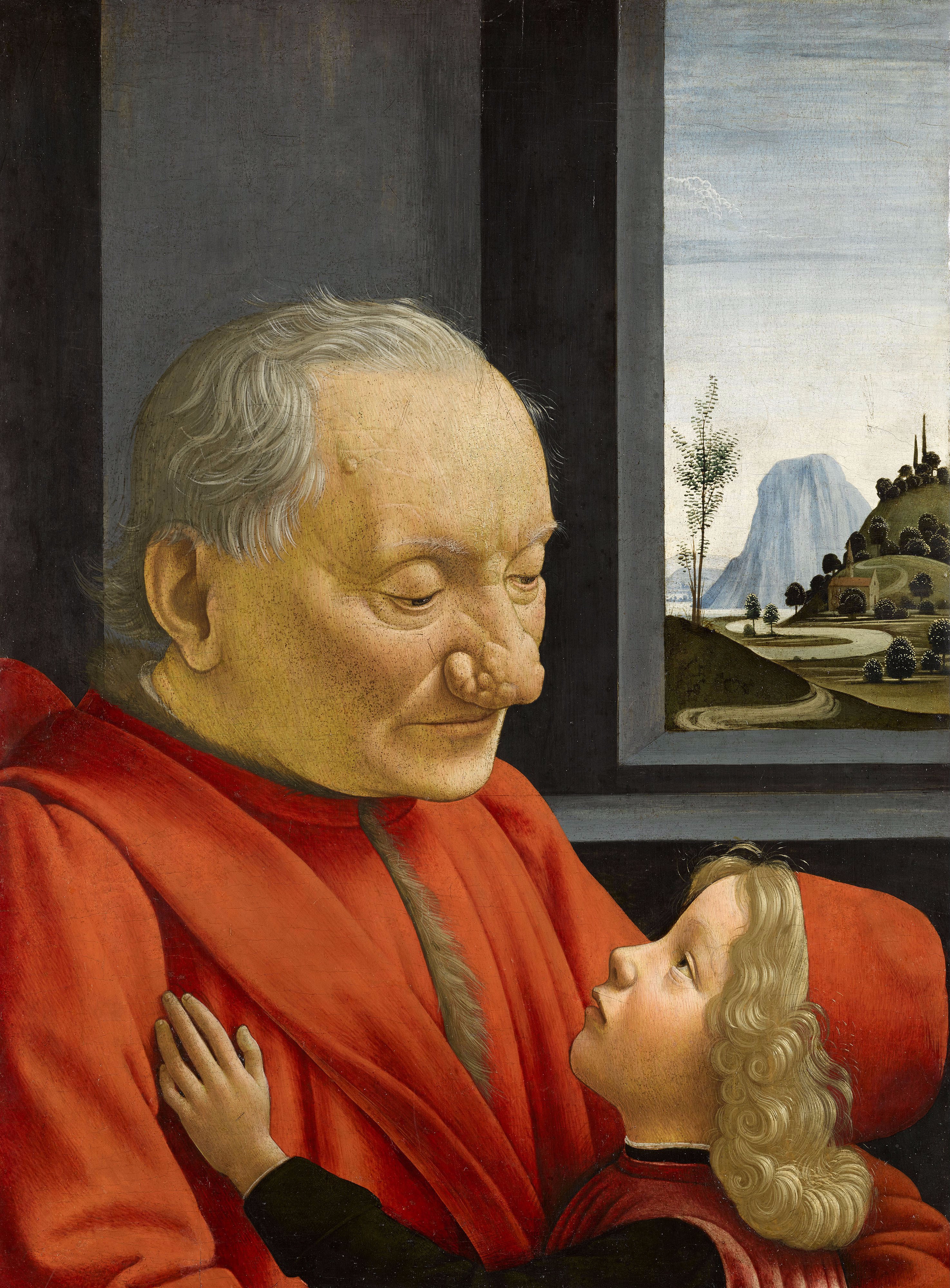
Old Man with a Child (Rhinophyma)


The composition centers on the intimate representation of an old man, characterized by the visible effects of rhinophyma, and a young boy. The elder is depicted as a well-to-do figure, attired in bright, fur-lined red robes known as a lucco, with a cappuccio headdress draped over his shoulder. Beside him, the little boy looks upward, his head crowned by soft golden curls and a red cap that matches his doublet. Their eyes are locked in a profound mutual gaze, emphasized by the boy’s small hand

Renaissance15th CenturyRhinophymaDermatologyItaly

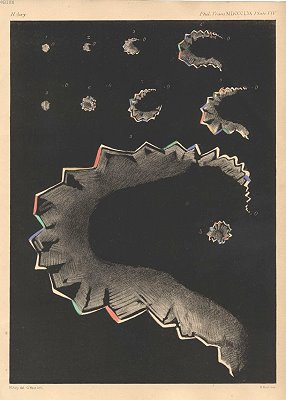
Scintillating Scotoma - Hubert Airy

Scintillating Scotoma - Hubert Airy


Scintillating scotoma is a transient visual disturbance characterized by shimmering, zig-zagging, or fortification-like patterns that gradually expand across the visual field. It most commonly occurs as part of a migraine aura but may also occur independently without headache, a presentation known as “acephalgic migraine” or migraine aura without headache. The condition originates from cortical rather than ocular dysfunction, distinguishing it from retinal or optic nerve disease. Although

19th CenturyNeurology1870Ophathmalogy

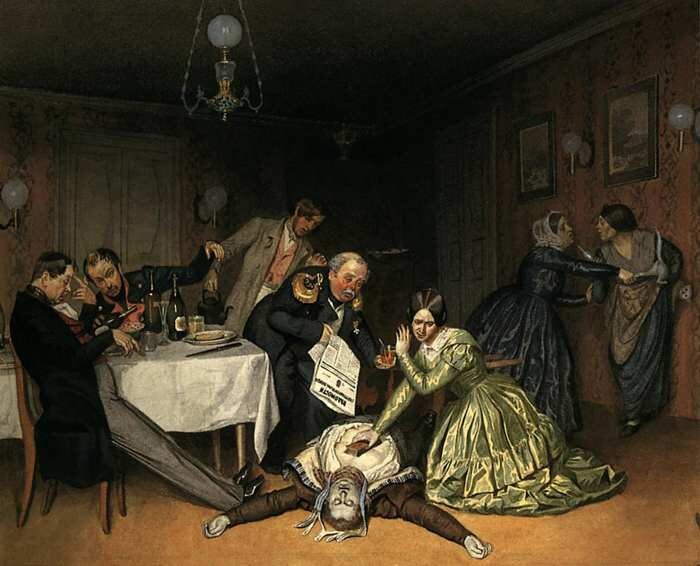
It is Cholera to Blame: Pavel Fedotov

It is Cholera to Blame: Pavel Fedotov


Fedotov has made an everyday meal the subject of his painting, indicated by bread and wine at the table. While biblically connotative, the menacing direction of the knife pointed towards one of the men alludes to his ‘last supper.’ Realistic historical details are included in the image: the fair-headed man in the shadows holds an iron kettle filled with boiled water, alluding to safety precautions taken during the outbreak, while the flushed-faced man in an imperial outfit futilely proffers a

19th CenturyPaintingInfectious Disease1848New Orleans Outbreak

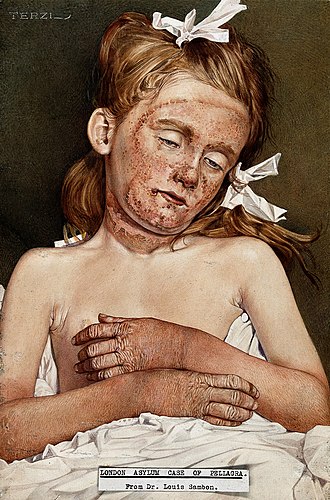
A Girl in the London Asylum Suffering From Pellagra - Engel Terzi

A Girl in the London Asylum Suffering From Pellagra - Engel Terzi


Pellagra results from a deficiency in niacin (vitamin B3) or its precursor, the amino acid tryptophan. Although humans can synthesize niacin from tryptophan, this conversion depends on adequate levels of iron, vitamin B2 (riboflavin) and vitamin B6 (pyridoxine). Historically, pellagra has been associated with malnutrition, particularly in populations relying on untreated maize (corn) as a dietary staple. Without nixtamalization, a traditional processing method, the niacin and tryptophan in

19th CenturyDrawingWellcome CollectionNutritional DeficiencyPsychiatric