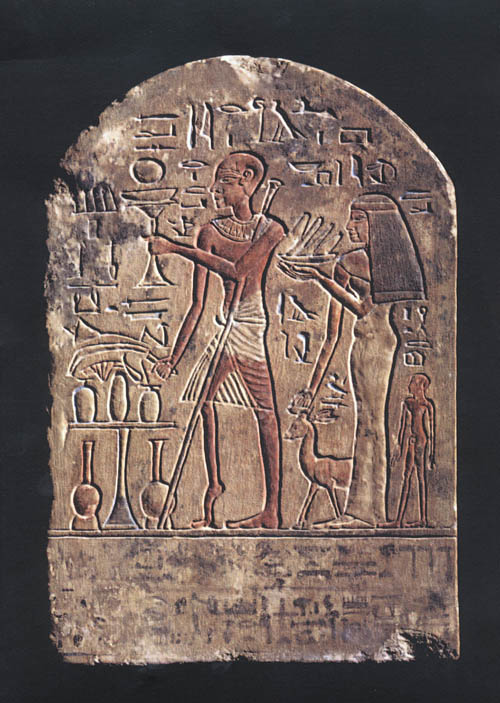
Poliomyelitis
Description of Disease & Etiology
Poliomyelitis is a condition triggered by infection with neurotropic poliovirus.1 Primarily spread through the fecal-oral route, but also transmitted through oropharyngeal excretion, this virus initially replicates in the intestines before spreading systemically through the bloodstream.2 While asymptomatic in most individuals, 1% of cases result in invasion of the central nervous system.3
Signs/Signifiers of Illness
The individual in the center of this piece depicts two notable characteristics of some survivors of polio. First, the thin appearance of the left leg is indicative of muscle atrophy seen in cases of paralytic polio.4 Second, the positioning of the foot in is sometimes seen in patients that have partial paralysis and a difficulty in raising the front part of the foot, known as “foot drop”.5
Pathology
The pathogenesis of severe polio infections revolves around the neuroinvasion of the motor neurons of the anterior horn of the spinal cord.1 Destruction of these neurons results in impaired signaling to muscles, resulting in a flaccid, asymmetrical paralysis.1 In individuals with lower limb paralysis, “foot drop” is a visible characteristic of the impaired neuronal signaling.5 Depending on the level of paralysis and extent of neuronal signaling affected, various degrees of muscle paralysis, weakness, and muscle wasting can be exhibited.4 The paralytic effects of polio can result in permanent disability and death in the event of respiratory arrest.3 Post-recovery, various sequelae can develop or remain in post-poliomyelitis syndrome, such as muscle atrophy, kyphosis, sleep disorders, and others.4
Treatment
While there is no cure for polio, symptoms can be managed supportively, including mechanical ventilation if needed for respiratory support.4 Post-infection, various avenues of physical and occupational therapy may be necessary, as well as mobility aids to facilitate movement, antispasmodic drugs to aid in spastic muscle contractions, and other medications as necessary depending on the areas exhibiting paralysis.6 Vaccination against this disease is possible, and this vaccine has been used as an aid to a global eradication effort.7
Social Determinants of Illness
Cases have fallen dramatically in the 21st century, and this disease is largely eradicated from many areas of the globe due to widespread public health measures.6 However, in areas where the disease is still endemic, such as areas of the Middle East, various political, economic, and social factors are credited with the lingering polio cases.7
Author(s): Victoria Rhodes
1. Nathanson, N. Chapter 1 The Pathogenesis of Poliomyelitis: What We Don’t Know. in Advances in Virus Research vol. 71 1–50 (Academic Press, 2008).
2. Duintjer Tebbens, R. J. et al. Expert Review on Poliovirus Immunity and Transmission. Risk Anal. 33, 544–605 (2013).
3. CDC. Chapter 18: Poliomyelitis. Epidemiology and Prevention of Vaccine-Preventable Diseases https://www.cdc.gov/pinkbook/hcp/table-of-contents/chapter-18-poliomyelitis.html (2025).
4. Laffont, I. et al. Aging and sequelae of poliomyelitis. ''Ann. Phys. Rehabil. Med.'' 53, 24–33 (2010).
5. Seo, S. G., Park, J. Y., Kim, J.-T., Kim, J.-B. & Lee, D. Y. Foot Drop of Contralateral Limb after Deformity Correction in a Polio Patient: A Case Report. https://synapse.koreamed.org/articles/1043339.
6. Poliomyelitis (polio). https://www.who.int/health-topics/poliomyelitis.
7. Lopez Cavestany, R. et al. The Last Mile in Polio Eradication: Program Challenges and Perseverance. Pathogens 13, 323 (2024).